


LOGISTICS RESEARCH
By Sergio Barta, Raquel Gurrea and Carlos Flavián
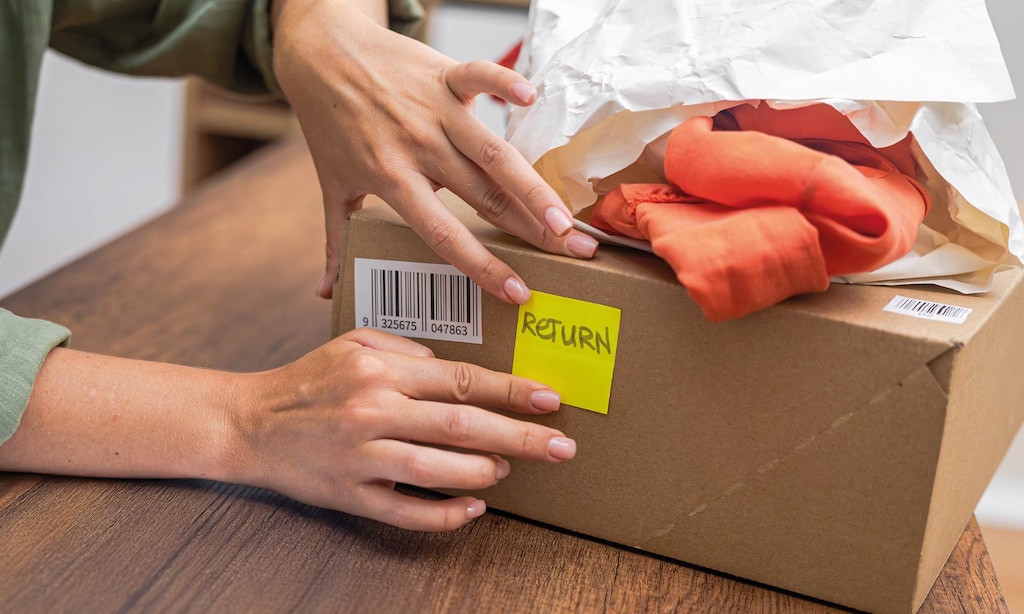
E-commerce has grown strongly in recent years, leading to an increase in product returns. This can result in significant losses for retailers and resellers, as well as higher costs related to repackaging, restocking and reselling the items sent back.
Big companies such as Inditex have recently changed their policies by charging a small fee for each online return. New technological tools (e.g. augmented reality and artificial intelligence) are also being considered to reduce return rates.
Product returns negatively affect sellers, consumers and society in general. Although customers are often refunded the cost of the merchandise, they are not compensated for the time and effort invested in the purchase process. Moreover, returns impact the environment and thus sustainability.
Achieving a flow state — the feeling of being completely immersed in an activity — has proven to be a key aspect in creating attractive experiences. Consumers may enjoy the shopping process, but they will be fully satisfied afterwards if they think they have made a good choice. If not, they could experience negative feelings, such as regret, which can be separated into process regret or outcome regret. Recently, it has been noted that flow can generate consumer regret through impulse buying and flow consciousness.
Although consumers may enjoy the shopping process, they will only feel fully satisfied afterwards if they think they have made a good choice
Consumer personalities and regret
Personality traits can influence the degree of regret each shopper feels about their purchase. Maximisers tend to be very sensitive to regret and more likely to return products than satisficers, which are characterised by spending the necessary time to get a product that suits their needs. Understanding this phenomenon helps e-commerce retailers reduce the number of returns and their associated costs.
Flow is the feeling people have when they are in an optimal state of mind, totally involved in a single task they believe they control. It could be explained as the pleasure people feel when totally immersed in an activity. During flow, individuals perceive a higher value in the experiences. However, they also report a large loss of self-awareness, which can lead them to engage in behaviours they would later wish to avoid.
Flow is the feeling people have when they are in an optimal state of mind, totally involved in a single task they believe they control
Regret arises from individuals’ perceptions of the cognitive effort they spent comparing the chosen product with the rejected options. When consumers feel that a purchasing decision was unreasonable or inexplicable, they tend to hold themselves responsible for making a wrong choice. They may assess the quality of their decision-making processes by examining the amount of information they collect.
- Process regret can arise when customers consider they have not properly managed the information needed to decide, either because they have spent too much time making a choice or collected insufficient information. They may have this feeling regardless of the purchase outcome.
- Outcome regret is an emotional state in which one feels sorry about various aspects, such as limitations and mistakes.
Flow state hypothesis
Flow is a cognitive state that involves a loss of awareness, leading consumers to process information automatically. It requires full concentration and enjoyment, which can cause them to lose track of time. Meanwhile, flow consciousness is the individual’s knowledge of having experienced flow.
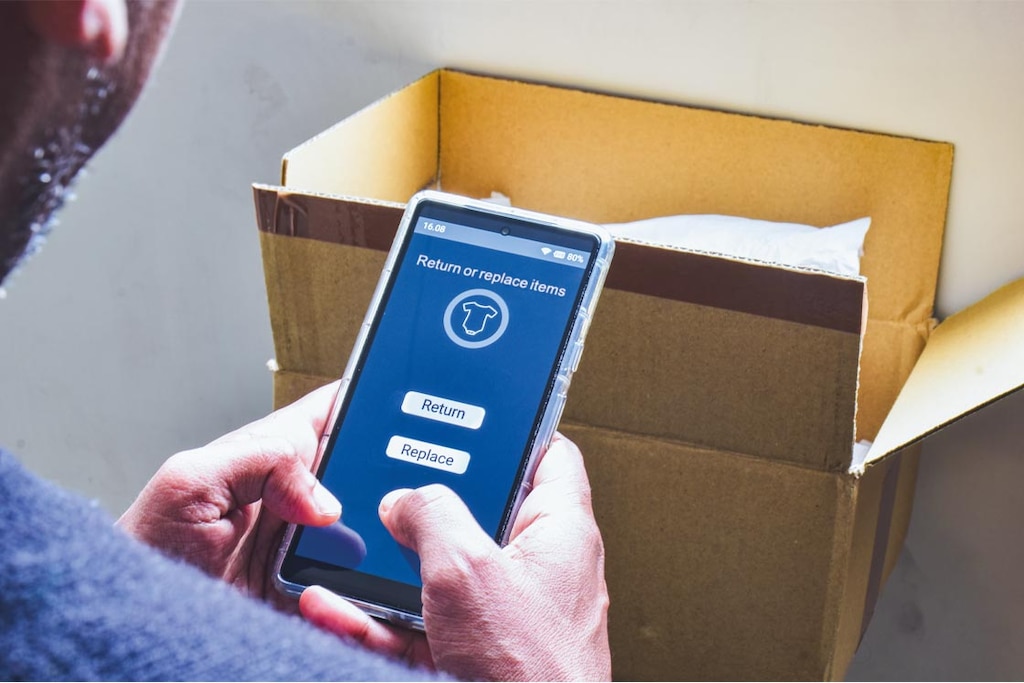
When consumers become aware that a better, alternative outcome is available, they feel more regret than when they remain unaware of its existence. Similarly, when people realise they made a mistake, they experience negative emotions such as regret. As they want to feel better about themselves, they may return the product and consider purchasing it again later. Nowadays, e-commerce product returns are very easy to make. Nevertheless, there are still some disadvantages, such as taking the product to a pick-up point or assuming shipping costs.
When consumers become aware that a better, alternative outcome is available, they may return the product and consider purchasing it again later
Maximisers seek the most optimal outcomes from all their decisions and try to examine all the available options, which involves investing much time. On the other hand, satisficers accept any option that meets the selection criteria but is not necessarily the best. Therefore, while satisficers may consider the flow state as a positive aspect of their buying process that has allowed them to enjoy the experience, this is unlikely to be the case for maximisers.
Data from actual shopping experiences
The data used to carry out our research were collected from real consumers based on their e-commerce experiences. To take part in the survey, they were required to have made an online Amazon purchase that cost between $20 and $50 within the past week, in which they had already received the product and were not completely satisfied. (The average price customers spend per item on Amazon is $34.08). Emphasis was also put on the fact that it should not be an opportunistic purchase, e.g. one made to use the product once and return it.
The sample — composed of relatively young North American consumers (66.15% under 45 years old) — was representative of typical e-commerce users in the region. In total, 257 valid questionnaires were collected. Respondents were asked about the research variables, with items on a 7-point Likert scale ranging from 1 (“strongly disagree”) to 7 (“strongly agree”). The study measured aspects such as concentration, time distortion, enjoyment, flow consciousness, process and outcome regret, return intention and the maximiser/satisficer scale. Finally, to find out their actual behaviour, respondents were asked if they had returned the product or started that process.
The results indicated that the frequency of use of the e-commerce platform affected the intention to return the product, with habitual consumers more likely to want to return the merchandise. The findings also showed that being in the flow state positively affects flow consciousness, which, contrary to expectations, has a favourable effect on process regret but no significant influence on outcome regret.
Habitual users of e-commerce platforms are more likely to want to return merchandise
Maximisers vs. satisficers
A multi-sample analysis was then carried out. The total sample was divided into two groups to test the moderator role of consumer behaviour between satisficers and maximisers. Those with values above 4 were taken to be maximisers and those below 4 to be satisficers; intermediate cases were eliminated. Thus, the analysis was carried out with 110 satisficers and 138 maximisers.
In the satisficer group, flow consciousness had a significant positive effect on process regret and a negative impact on outcome regret. By contrast, among maximisers, flow consciousness favourably affected process and outcome regret.
| Maximisers | Satisficers |
|---|---|
| Seek the best outcomes from all their decisions and try to examine all the options, which involves investing much time. | Spend only the necessary time to find a product that suits their needs. |
| Have higher expectations and a greater sense of regret. | Accept any option that satisfies their selection criteria, even if it is not the best. |
| Look for an efficient buying process in which they can compile as much information as possible before making a decision. | May consider the flow state as a positive aspect of their buying process, as it has allowed them to have a good time. |
| These users should be prevented from being aware of the flow. | Flow consciousness could decrease these users’ likelihood of returning products. |
Flow has multiple advantages, such as improved consumer experience, higher purchase intention and intention to revisit the website. However, the loss of self-consciousness in this state can subsequently generate purchases that customers later regret. Therefore, when companies try to induce flow states to encourage buying in the online environment, they should pay special attention to ensure that consumers will be satisfied with their decisions.
Flow has multiple advantages — e.g. improved consumer experience and higher purchase intention — but it might also make users regret their decision later on
Satisficers who are flow-conscious use that awareness to lessen their regret about the product’s outcome, reminding themselves of the good time they had while shopping. Conversely, maximisers may feel that they got carried away in this state and made the purchase incorrectly, feeling a more significant regret about the outcome. Maximisers are not looking for a buying process they enjoy but for an efficient buying process in which they can compile as much information as possible to make the best decision.
Potential benefits of managing the flow state
Our research shows that for satisficers making non-opportunistic purchases, being aware of the flow could reduce the intention to return the product. In contrast, maximisers should be prevented from being flow-conscious, as this could increase their regret.
The results suggest that companies should consider all aspects of the flow state, as it has many positive points in addition to certain drawbacks. Proper management would lead to considerable benefits, such as increased consumer satisfaction and fewer returns to manage. Likewise, it would enable savings in reverse logistics and repackaging, contributing to sustainability.
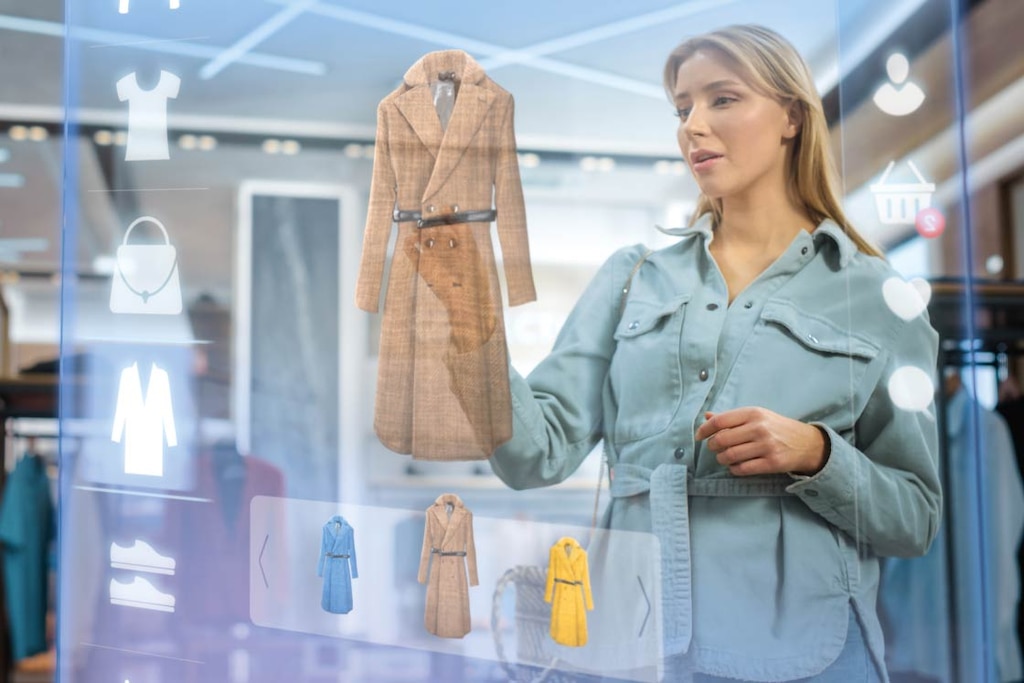
Optimal integration of the different sales channels can mitigate uncertainty, decreasing the number of returns. At the same time, companies must sell products that meet customer expectations. Therefore, providing a pleasant, intuitive shopping experience incorporating information and tools to facilitate consumers’ decisions (e.g. 360° photos, virtual try-ons) would help minimise process regret. Beyond implementing new technologies, businesses should develop appropriate methods to measure how these affect customer behaviour.
360° photos and virtual try-ons incorporate information and tools aimed at minimising returns
The individual’s experience during the decision process plays an essential role in shaping satisfaction and reducing regret, and e-commerce platforms have a lot of information about shoppers interested in customising how they browse and buy. Classifying consumers according to satisficer or maximiser behaviour can also be helpful for post-purchase actions. To form these groups, customers could be asked to complete a short questionnaire when creating an e-commerce site account. Data such as the time spent to make the purchase and the number of pages visited could be used. Once this information is known, retailers could send messages solely to satisficers to induce them to remember and value the purchase process. When companies have a stock of products they need to sell quickly, they could offer discounts exclusively to satisficers.
AUTHORS OF THE RESEARCH:
- Sergio Barta. Assistant Professor, Department of Marketing Management and Market Research, University of Zaragoza (Spain).
- Raquel Gurrea. Professor, Department of Marketing Management and Market Research, University of Zaragoza (Spain).
- Carlos Flavián. Professor, Department of Marketing Management and Market Research, University of Zaragoza (Spain).
Original publication:
Barta, S., Gurrea, R., Flavián, C. The double side of flow in regret and product returns: Maximisers versus satisficers. International Journal of Information Management, 71 Elsevier (2023).
© 2023 The Authors. Licensed under CC BY 4.0, Attribution 4.0 International