


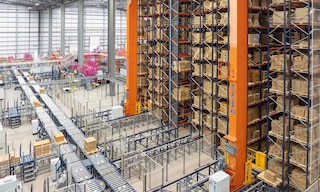
Integrated logistics: What it is and how it benefits companies
Integrated logistics has become an essential strategic approach for companies seeking to stay competitive in an increasingly demanding marketplace. Rather than treating operational management as a collection of disconnected departments, this method promotes a unified view of the supply chain, aligning internal and external workflows under a shared objective. In this post, we explain what integrated logistics is, the principles behind it, the advantages it offers and what to analyse before putting it into practice.
What is integrated logistics?
Integrated logistics is a supply chain management model that coordinates all logistics-related activities from a unified, end-to-end perspective focused on total optimisation. Instead of managing tasks in isolation, it brings together planning and control across every supply chain process (sourcing, manufacturing, warehousing, distribution, after-sales services) and the information flows that connect them. The ultimate aim is to meet customer expectations as effectively and efficiently as possible.
Integrated logistics: Definition
At its core, integrated logistics looks to align the activities of every supply chain stakeholder, from suppliers through to end customers, so they operate as one cohesive unit.
This approach breaks down traditional silos by combining procurement, production and logistics processes under a shared vision. Centralising information and workflows enables meaningful resource optimisation, lowers operating costs and facilitates greater responsiveness to market shifts. Beyond internal efficiency, integrated logistics becomes a differentiating factor by ensuring customer satisfaction through on-time deliveries.
Principles of integrated logistics
Integrated logistics encourages supply chain management from a holistic standpoint. The goal is to achieve the right combination of processes so that information and goods flow quickly and transparently. Integrated logistics prioritises company-wide efficiency and continuous improvement while maintaining a customer-centric focus at every stage. Fundamental aspects include:
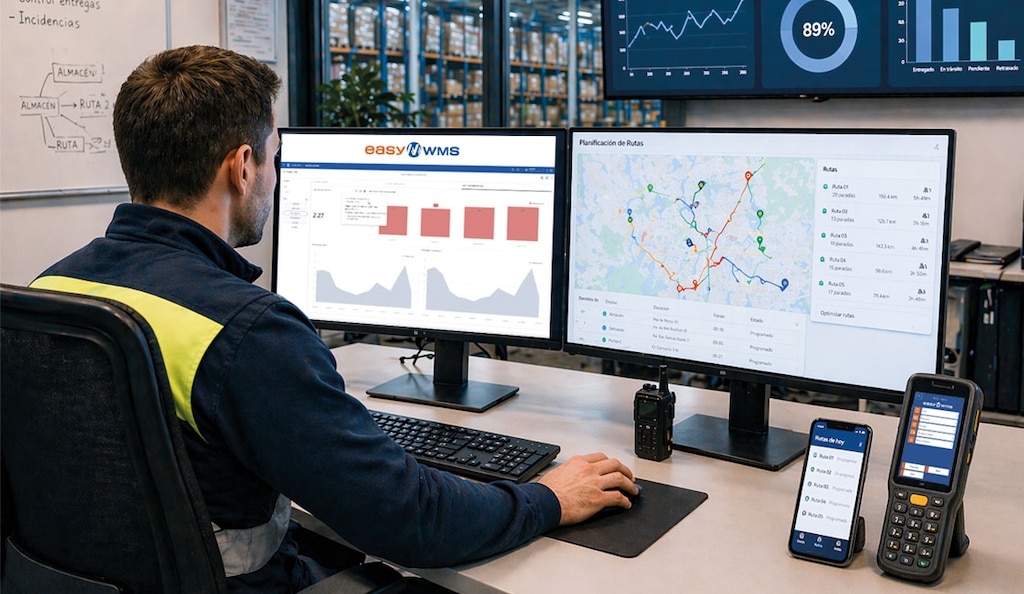
- Visibility. This refers to the ability to track and monitor every event across the supply chain, guaranteeing uninterrupted data flow between all network nodes. This transparency is typically achieved through software platforms that act as a single source of truth, eliminating information silos between departments. In their 2025 Supply Chain Stability Index, KPMG and ASCM highlight that, as supply chains grow more complex, end-to-end visibility will remain critical for staying agile in the years ahead.
- Synchronisation. This principle ensures that purchasing, manufacturing, warehousing, distribution and customer service operate in alignment. It avoids disparate goals and supports coherent execution.
- Agility. Integrated logistics allows organisations to pivot quickly to unexpected market changes or shifts in consumer demand.
- Resource optimisation. This management model applies structured methodologies to identify errors, waste and delays and address them systematically. Decisions are made with a clear view of their impact on the customer experience.
Benefits of integrated logistics
Implementing an integrated logistics model delivers multiple advantages for both companies and their customers. These are among the most notable benefits:
- Service quality. Supply chain synchronisation helps guarantee that products arrive in optimal condition.
- Cost reduction. Coordinated management across areas eliminates redundancies and unnecessary expenses.
- Adaptability. Interconnected supply chains respond more effectively to demand spikes, maintaining operational continuity.
- Incident management. Greater visibility between teams supports early detection and proactive resolution of issues before they affect end customers.
- Sustainability. A coordinated logistics infrastructure minimises environmental impact through efficient space usage and vehicle routing. Avoiding duplicated storage and deadheading (journeys without loads) lowers energy consumption and cuts operational waste.
Stages of integrated logistics
Integrated logistics takes supply chain stages that are often handled separately and manages them through a shared, global perspective. Key processes include:
Procurement and production
Integration matches raw material supply with actual manufacturing requirements, keeping all departments on the same page. Connecting these processes aligns material flow with capacity, shrinking overstock and minimising idle time on production lines.
Warehouse and inventory management
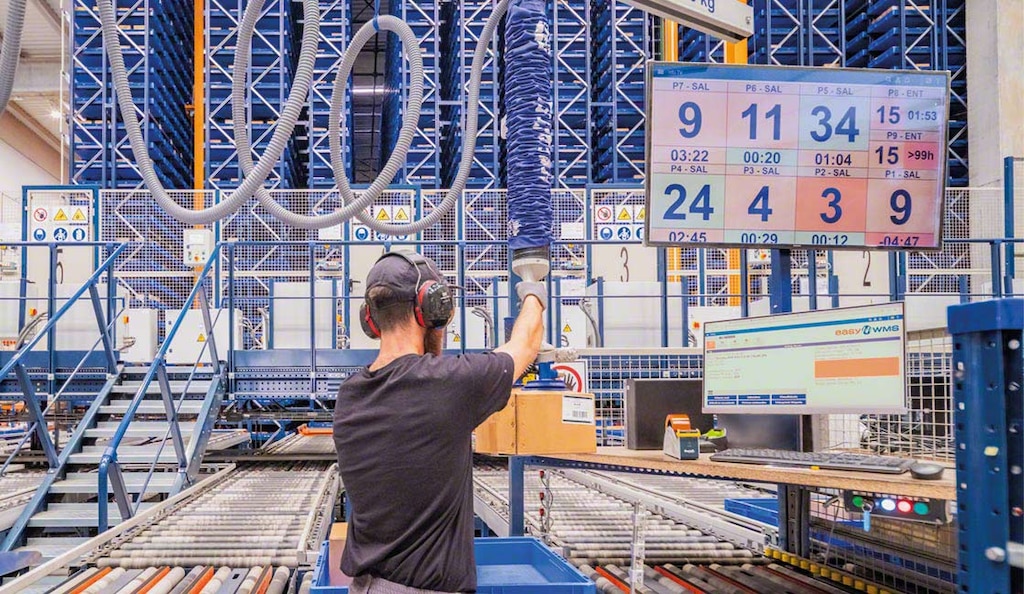
This stage focuses on optimising space and slotting to guarantee product availability with fast responsiveness. Integrated management allows companies to plan operations based on actual demand, helping prevent stockouts and excess inventory.
Information management
Through specialised software, data move in real time between departments and external partners. For example, warehouse management systems (WMSs), combined with enterprise resource planning (ERP) platforms, enable full product traceability and data-driven decision-making based on shared information.
Distribution and last-mile delivery
This phase ensures merchandise reaches its final destination on time and without errors. Integrated logistics improves route planning and transit times, maintaining operational efficiency in the last link of the chain.
Customer service and reverse logistics
The customer relationship doesn’t end at delivery. Integrated logistics promotes transparent communication and efficient returns management. It positions after-sales support as a vital tool for loyalty and continuous service improvement.
What to consider when implementing integrated logistics
Coordinating all logistics activities under a unified vision requires careful planning and strong organisational commitment. If you’re thinking about implementing integrated logistics in your company, be sure to evaluate these key elements:
- Up-to-date diagnosis. Start by assessing the current state of your supply chain. Review processes, understand customer expectations and identify potential bottlenecks.
- Cost structure. Analyse your operating costs globally rather than by department. This approach reveals hidden transport and storage expenses. It will also help you assess how initial investments in process integration can increase profit margins.
- Digital ecosystem. Integrated logistics depends on data visibility. Process digitalisation alone is not enough — it’s necessary to implement solutions such as Mecalux’s Easy WMS, ERP software and TMS platforms that communicate seamlessly. The objective is to eliminate information silos so that data points generated in your warehouse update sales inventory and route planning instantly.
- Organisational culture and change management. Integration is as much a human challenge as a technical one. It requires moving beyond siloed thinking and fostering cross-functional collaboration. Without correct training and cultural change in your organisation, technology alone will not deliver the expected agility.
- KPIs and balanced scorecard. If you cannot measure it, you cannot integrate it. Instead of setting isolated metrics, apply global key performance indicators (KPIs) that evaluate success throughout your supply chain. An example would be perfect order rate.
- Impact on customer service. Planning should consider how integration enhances the customer experience. Focus on improving shipment transparency, reducing order errors and accelerating the return process, turning logistics into a value-added differentiator.
Integrated logistics: Structure
The integrated logistics model is built on synchronising four critical pillars that, traditionally, operated independently. Inbound logistics ensures a steady flow of raw materials through collaborative supplier relationships. It connects directly with internal logistics, where those resources are transformed into finished goods while optimising flows within plants and warehouses. Outbound logistics then distributes goods to consumers with maximum punctuality and cost efficiency.
The cycle closes with reverse logistics, which manages returns and recycling. Success depends not on the isolated efficiency of each stage but on interoperability. When outbound logistics data (reflecting real demand) feed inbound logistics in real time, excess inventory and idle time disappear. This cohesion turns the supply chain into a resilient ecosystem capable of responding swiftly to disruptions and evolving global market demands.
Integrated logistics: A strategic necessity
Integrated logistics has become a strategic requirement in today’s competitive environment. By unifying processes, companies optimise costs while transforming their supply chain into a value-generating engine.
Organisational success stems from synchronised data and advanced technology that support agile responses to market volatility. Ultimately, this model allows organisations to translate internal efficiency into an outstanding customer experience while fostering sustainability and long-term business growth.
Integrated logistics in 5 questions
What is integrated logistics?
Integrated logistics is a cross-functional management model that coordinates processes, flows and information across the supply chain to optimise resources. By integrating activities from procurement through to reverse logistics, it shortens lead times, enables rapid adaptation to demand fluctuations and strengthens a company’s competitive edge.
What is the difference between logistics and integrated logistics?
Traditional logistics manages activities independently, while integrated logistics coordinates them under a single optimisation-driven vision. This alignment ensures departments work in sync to maximise overall value.
What is the objective of integrated logistics?
Its goal is to meet customer needs by guaranteeing product availability and on-time delivery. In doing so, it aims to achieve the highest possible efficiency at the lowest total cost for the organisation.
How is integrated logistics structured?
Integrated logistics is divided into inbound logistics, internal logistics, outbound logistics and reverse logistics. Rather than operating separately, these areas function as an interconnected unit to address market challenges.
What are integrated logistics services?
These solutions are offered by specialised providers that manage a client’s entire logistics chain in a comprehensive and centralised manner. Outsourcing operations enables companies to gain agility, visibility and efficiency across their processes.