


Lot traceability: What it is and how to implement it
Lot traceability is a type of traceability that gives businesses visibility into specific groups of products throughout the supply chain. In an environment shaped by strict regulations, increasingly informed consumers and complex logistics operations, an effective tracking process helps companies respond to issues more quickly and efficiently.
In this post, we explain what lot traceability is, the benefits it offers and the industries where it’s critical. We’ll also explore how software can support day-to-day operations.
What is lot traceability?
Lot traceability is the process of recording and tracking a group of products from their origin, production or receipt through final distribution. To simplify the simultaneous management of multiple SKUs, companies organise inventory into batches or lots — groups of items that are manufactured, packaged or stored under the same conditions.
Each lot is assigned a unique identifier, typically an alphanumeric code, that distinguishes it from every other group. This identifier accompanies the product throughout the supply chain and generally changes only if the item is transformed into a new one. It also enables companies to access information such as raw material sources, production dates, quality inspections and warehouse locations.
With effective lot tracking and traceability, businesses can respond much faster to quality issues and product recalls.
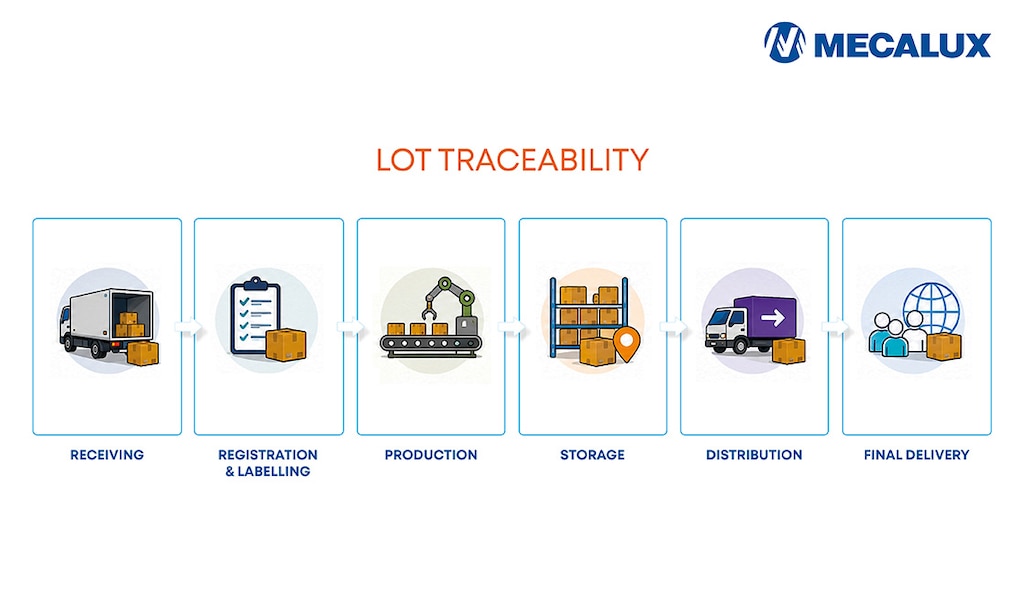
How lot traceability works
Receiving, registration and labelling
Lot traceability begins by entering key information into the system, such as the product description, supplier, entry date and receiving location. Each item is assigned a unique lot identifier upon arrival so it can be monitored throughout the remaining supply chain stages.
Products are labelled with barcodes or other scannable tags to minimise manual errors and speed up product identification during logistics operations.
Production monitoring
Companies document the ingredients or components used at each stage of manufacturing, along with the resulting finished goods. This establishes a clear link between raw material lots and the final products they become.
The information registered includes the materials used, their suppliers and the quality inspections performed. Effective lot traceability in manufacturing enables companies to pinpoint affected batches quickly whenever a production or quality issue occurs.
Storage and distribution
During this stage, businesses monitor internal inventory movements, storage locations and shipments to distributors, customers or other facilities. This provides up-to-date oversight of every product’s journey through to final delivery.
Lot data are maintained throughout the logistics process for both in-house manufactured goods and items received from third parties. Companies always know where each item is located, how much has been shipped and which distributors or customers received it. To manage this information, many organisations rely on an ERP or warehouse management system (WMS).
Reverse traceability
Among the different types of traceability, reverse traceability follows inventory backwards through the supply chain to identify the raw materials used and the production processes involved.
This allows companies to pinpoint which lots are affected by a manufacturing defect or potential contamination. It also makes it possible to determine the raw materials and suppliers involved in producing each lot.
Benefits of implementing lot traceability
A lot traceability system delivers value at every stage of the supply chain:
Better organisation of internal processes
Registering information constantly streamlines production, storage and distribution while improving coordination across operations.
Continuous improvement and quality control
Access to information about raw materials and manufacturing processes makes it easier to detect quality issues. Businesses can consult the history of each lot to determine which suppliers, materials or inspections are associated with a particular product.
Fewer operational errors and product losses
Accurate lot tracking helps minimise human error, prevent mix-ups between lots and reduce inventory losses during logistics operations. It also limits their impact on the business.
Regulatory compliance
Industries such as food and beverage, pharmaceuticals and cosmetics must maintain up-to-date records on product movement to comply with applicable regulations. Having this information readily available also simplifies audits and recalls.
Greater customer trust and brand confidence
Providing insight into a product’s origin, movement and associated records increases transparency. As a result, customers gain greater confidence in what they buy, strengthening trust in the brand.
Industries where lot traceability is essential
Product traceability is a standard practice in sectors that need to track the production, storage and distribution of goods:
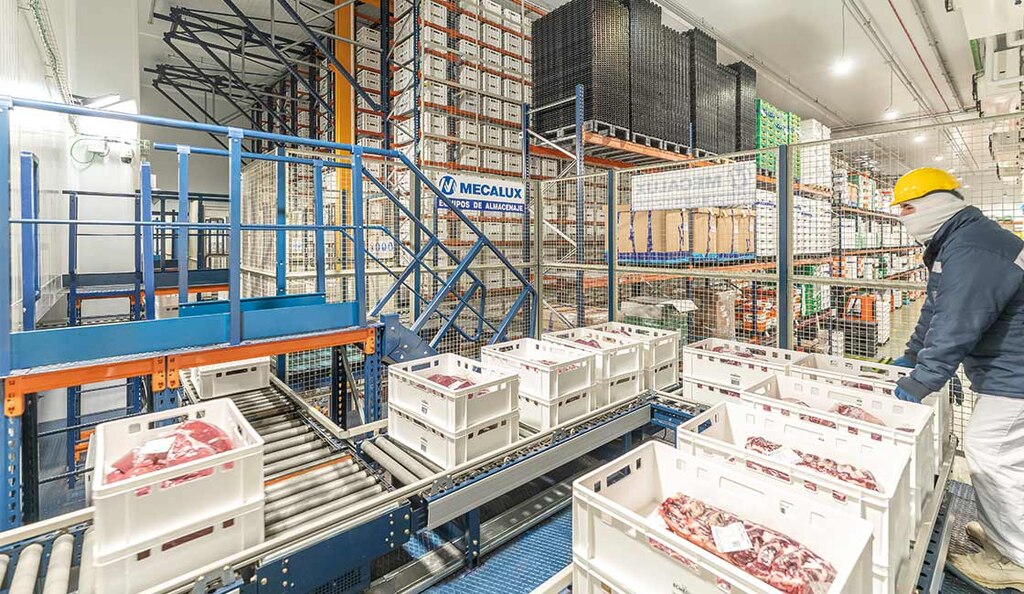
- Food and beverage. Lot traceability is crucial for managing perishable products such as fruits, vegetables, meat and seafood. It provides visibility into ingredients, storage conditions and other information needed to support food safety.
- Pharmaceutical and healthcare. Hospitals, laboratories and pharmacies must maintain complete traceability for medications, vaccines and medical devices to meet strict safety standards.
- Cosmetics. Creams, perfumes and makeup products are handled under controlled temperature and storage conditions to preserve their quality.
- Manufacturing. Lot tracking facilitates quality control in industries such as automotive, electronics and industrial machinery.
- Logistics. This oversight provides a clear view of inventory movements, storage locations and shipments to customers, distributors and third-party logistics (3PL) providers.
- Retail and ecommerce. Batch traceability helps keep inventory records accurate, supports returns processing and monitors products throughout the supply chain.
Lot traceability software
Managing lot traceability can become challenging for companies that handle large numbers of SKUs. To capture and maintain accurate data, many businesses rely on technologies such as WMS, ERP and MES (manufacturing execution) systems.
Among these solutions, WMS software is instrumental in centralising information on receiving, internal inventory movements and distribution within the warehouse. It also supports product identification through barcodes, labels and other scannable tags.
Many companies implement Easy WMS, the Mecalux warehouse management system, to ensure lot traceability:
- Cárnicas Medina (Spain). Easy WMS assigns a storage location to every production lot as it enters the company’s automated warehouse, which has capacity for 32,000 boxes. The system monitors meat ageing times and the condition of perishable products before distribution.
- Maison François Cholat (France). The Mecalux software captures data for every item handled by this seed and crop protection supplier and assigns storage locations based on turnover rate or batch. It applies the FIFO (first in, first out) principle unless a customer requests a specific lot.
- Megafin (Colombia). This 3PL provider uses Easy WMS to organise food products by batch, expiration date and storage temperature. The WMS for 3PL module keeps each client’s inventory separate while preserving lot traceability throughout receiving, storage and shipping operations.
Lot traceability and logistics digitalisation
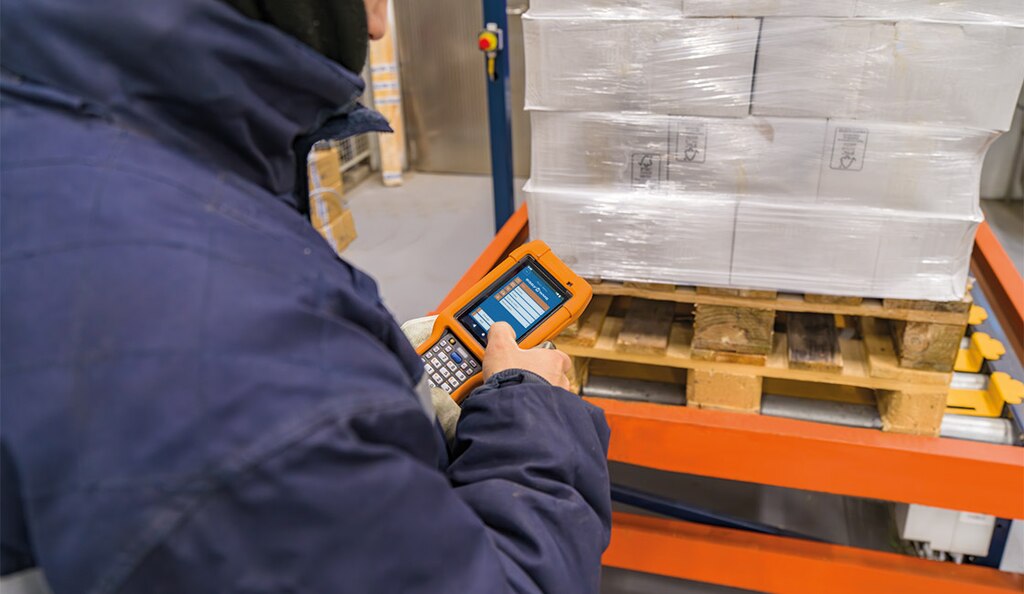
Maintaining complete visibility into inventory is no longer just an operational necessity — it’s a strategic priority. Access to accurate, up-to-date information on products, storage locations and inventory movements is essential for effective lot traceability and better coordination across the supply chain. By digitising inventory information, warehouse management software simplifies product tracking while reducing reliance on manual recordkeeping.
Here are a few best practices for maintaining effective lot traceability:
- Record each lot as soon as it is manufactured or received to maintain continuous visibility throughout the supply chain.
- Use barcodes and other scannable tags to minimise manual errors and speed up product identification.
- Implement digital tools such as WMS, ERP and MES solutions to automate logistics data management.
- Keep production, storage and distribution records up to date so affected products can be located quickly if an issue arises.