



ESG principles: What they are and how to apply them
ESG principles have gone from being a passing trend to a key component of corporate strategy. Investors, public authorities, customers, employees and other stakeholders expect organisations to demonstrate a stronger commitment to sustainability, social responsibility and transparency. Taking these factors into account can strengthen a company’s reputation, boost competitiveness and support more effective management.
In this post, we’ll explore what ESG sustainability principles are, how to apply them, their benefits and examples of how businesses are putting them into practice.
What are ESG principles?
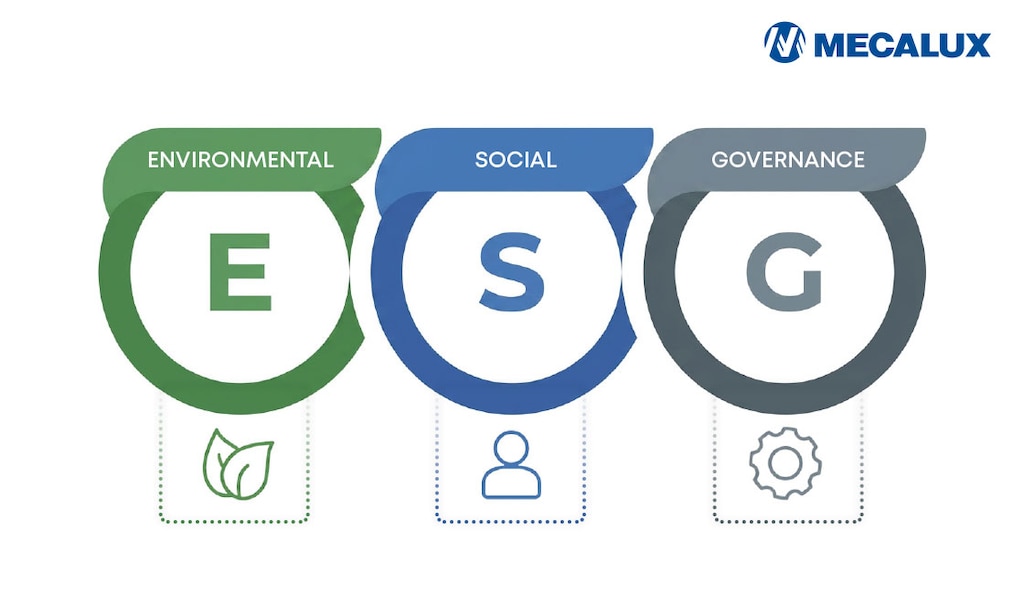
ESG principles — short for environmental, social and governance — are a set of standards used to assess an organisation’s impact in these three areas. They evaluate companies on more than just profitability, taking into account their effects on society and the natural world, as well as how transparently and responsibly they operate.
These principles have become an important reference point for businesses, investors and regulatory bodies because they help measure an organisation’s commitment to sustainability and corporate responsibility. In addition to facilitating decision-making, they promote more transparent and responsible practices that align with the expectations of customers, employees and other stakeholders.
E for environmental
The environmental pillar focuses on the impact a company’s activities have on the natural world. It covers issues such as a business’s carbon footprint, waste management and recycling policies, as well as how it uses natural resources. It also considers the measures introduced to reduce energy consumption.
S for social
The social pillar examines how a business interacts with the people around it, including employees, local communities, suppliers and customers. It addresses areas such as diversity and inclusion policies, working conditions, health and safety measures and other issues related to corporate social responsibility.
G for governance
The governance pillar evaluates how a company is organised, managed and run. It analyses factors such as transparency, business ethics, the makeup and effectiveness of the leadership team, regulatory compliance and anti-corruption policies. It also considers accountability and the adoption of sound corporate practices.
How to apply ESG principles
Applying ESG principles starts with an assessment of an organisation’s current environmental, social and governance performance. The purpose of this analysis is to identify the main risks and opportunities for improvement. The company can then set priorities and define measurable goals that align with its corporate strategy.
Once these targets are established, the business should develop an action plan that outlines key performance indicators, assigns responsibilities and allocates the resources needed to achieve its goals. The results should then be reviewed regularly so adjustments can be made when necessary. Finally, organisations are encouraged to document their progress in sustainability reports and communicate their initiatives to stakeholders.
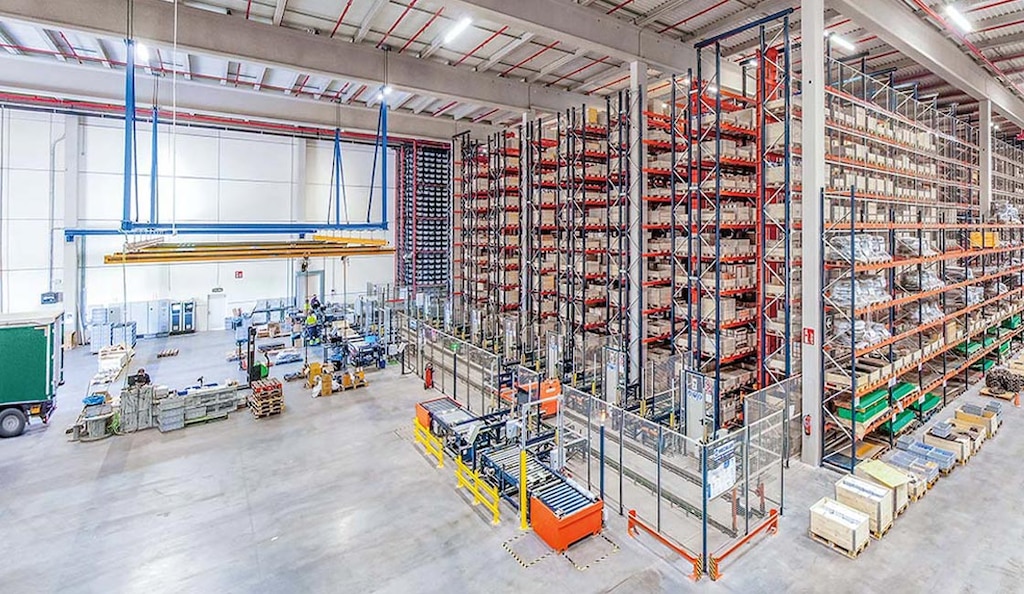
In the logistics sector, implementing ESG principles can involve initiatives such as improving the energy efficiency of warehouses and distribution centres, cutting transport emissions, building supply chain sustainability and implementing technologies that make better use of available resources.
Although ESG principles generally aren’t mandatory, an increasing number of countries require certain companies to disclose sustainability information or meet reporting requirements. Integrating these principles can therefore also help businesses adapt to evolving regulations.
Examples of ESG in supply chain and logistics
Each of the three ESG pillars can be incorporated into supply chain and logistics operations through initiatives that promote sustainability, better working conditions and responsible management:
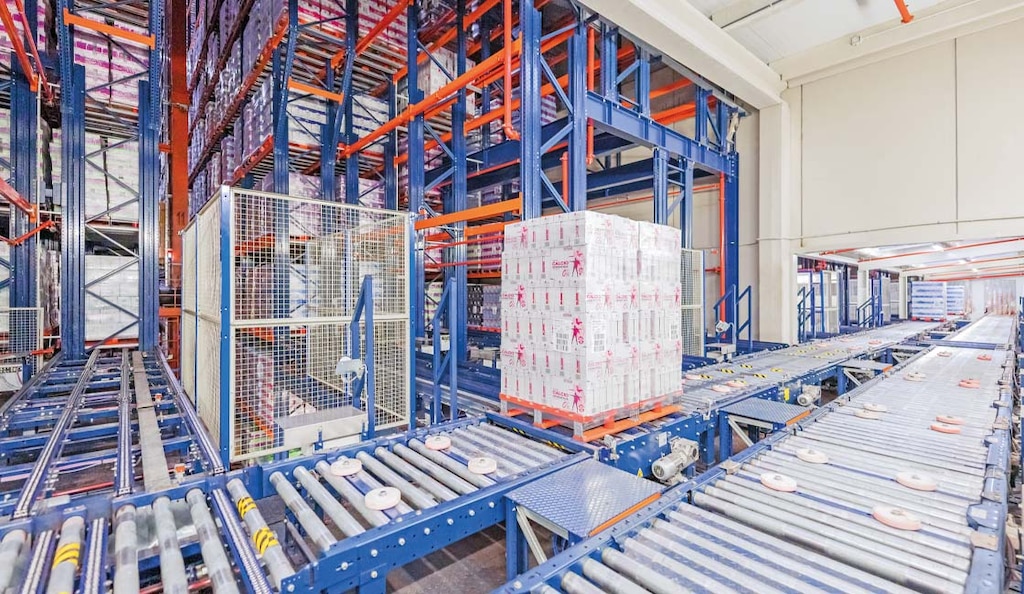
- E for environmental. Mecalux has automated several cold storage warehouses for the production and distribution centre of Congelados de Navarra in Fustiñana (Spain). By maximising storage capacity within the smallest possible footprint, the solution lowers energy costs, demonstrating how warehouse design can contribute to greater efficiency.
- S for social. Tool manufacturer SAM Outillage installed a Mecalux automated storage and retrieval system (AS/RS) for boxes and conveyors in its Saint Étienne (France) industrial facility. Automation eliminates unnecessary travel to locate items, minimises repetitive tasks and improves ergonomics and working conditions for warehouse operators.
- G for governance. Ervin Germany, a manufacturer of metallic abrasives, digitalised its logistics operations with Mecalux’s Easy WMS warehouse management system at two facilities in Germany. The solution ensures product traceability, records every activity in real time and provides reliable information for decision-making, strengthening control and transparency across logistics processes.
Benefits of implementing ESG principles
ESG principles can be applied by organisations of any size and in any industry. Although the measures vary according to each company’s operations and needs, they offer several advantages:
- Stronger corporate reputation. Businesses that embrace this approach build a more positive image and foster greater trust among customers, employees, investors and other stakeholders.
- Greater competitiveness. Incorporating ESG principles streamlines processes, encourages innovation and helps companies stand out in an increasingly demanding market.
- Access to sustainable financing. Organisations with strong sustainability performance may find it easier to access certain types of financing and investment.
- Lower risk. Sustainable practices help identify and manage environmental, social and governance risks, mitigating their operational, legal and reputational impact.
- Cost savings. Better resource utilisation helps reduce operating costs. In logistics, this may translate into lower energy consumption in warehouses and fewer transport emissions.
- Greater trust among customers and partners. Companies can respond more effectively to the sustainability and transparency expectations of customers, business partners and regulatory bodies.
ESG principles as a competitive advantage
ESG principles have become a strategic priority for organisations seeking sustainable growth. They help companies identify risks, allocate resources responsibly and build trust with the people and businesses they work with. In the supply chain and logistics sectors, this approach can also support more resilient operations through automation and digitalisation. To incorporate ESG principles into business management, organisations should:
- Integrate sustainability into their corporate strategy
- Strengthen transparency and stakeholder relationships
- Streamline processes to improve efficiency and competitiveness
- Embrace automation and digitalisation to build a more resilient supply chain
ESG principles: 4 FAQs
What does ESG stand for?
ESG stands for environmental, social and governance. These criteria are used to assess a company’s sustainability performance and impact. They cover environmental management, social responsibility and the quality of corporate governance in relation to the company’s stakeholders and wider surroundings.
Is implementing ESG principles mandatory?
There’s no general obligation to implement ESG principles. However, an increasing number of countries expect certain organisations to disclose sustainability information or comply with ESG reporting rules. The scope of these obligations varies by jurisdiction.
Which companies are affected by ESG factors?
ESG factors may be relevant to any organisation, regardless of size or industry. However, sustainability reporting requirements generally apply only to certain companies, depending on the regulations in each country and criteria such as company size or business activity.
How are ESG principles applied in supply chain and logistics?
In the supply chain and logistics sectors, ESG principles are applied through measures that reduce environmental impact and improve efficiency. These include optimising energy consumption in distribution centres and warehouses, cutting transport emissions, promoting a more sustainable supply chain and adopting technologies that support more efficient resource use.