



Collection point: A more flexible, sustainable logistics model
Collection points have become a cornerstone of modern distribution, particularly as ecommerce, omnichannel retail and new customer expectations reshape delivery practices. By allowing shoppers to pick up their orders from strategic locations rather than at home, this model simplifies last-mile complexity while adding flexibility for both businesses and end users.
In this post, we explain what collection points are, how they’ve evolved, the main types used today and the logistical benefits they bring. We also look at how this service is organised within the warehouse and which factors matter most for a successful roll-out.
What is a collection point? Context and evolution
A collection point, also referred to as a pick-up point, is a physical location where customers can retrieve their orders and, in some cases, return them. This site may be a partner store, a postal office, an automated parcel locker or even an urban warehouse. Unlike home delivery, the recipient chooses when to retrieve the package, either during set opening hours or independently via smart lockers.
Collection points emerged as a response to last-mile challenges such as failed deliveries, high costs, urban congestion and growing demand for speed and convenience. With the rise of ecommerce, these issues have intensified, encouraging more adaptable and sustainable delivery options. According to McKinsey, out-of-home delivery — which involves collection points and lockers — is gaining traction in cities because it enables shipment consolidation, improves operational efficiency and offers consumers greater convenience.
Types of collection points
The various collection point formats address different logistical needs, service levels and customer profiles. Each supports a specific operating model within a broader distribution strategy.
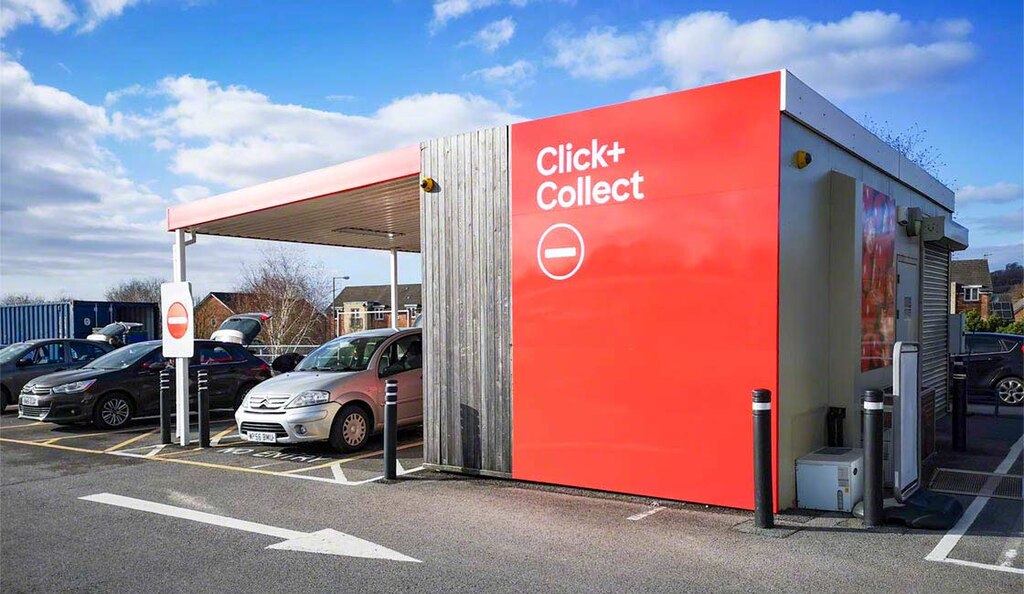
Click and collect
With click and collect, shoppers place an online order and pick it up at the retailer’s brick-and-mortar store. Logistically, this connects digital channels with physical points of sale, leveraging in-store inventory or consolidating orders from the warehouse.
Click-and-collect lowers shipping costs, increases store traffic, and supports omnichannel strategies by turning retail outlets into both sales and fulfilment nodes.
Automated parcel lockers
Automated parcel lockers are installed in high-traffic areas such as transit hubs, parking facilities, shopping centres and residential complexes. Customers receive a code and instructions to access the assigned compartment and retrieve their package.
From a logistics perspective, parcel lockers enable delivery consolidation, limit failed attempts and extend collection availability. These advantages improve the customer experience without adding distribution complexity. Parcel lockers are tremendously useful in dense urban settings and last-mile strategies.
Postal offices and couriers
Postal office and private courier networks provide well-established collection infrastructures with broad geographic coverage, including low-density regions.
For shippers and logistics providers, this model leverages existing facilities for final delivery and supports standardised processes without building a proprietary network.
Partner stores
Partner stores are neighbourhood shops and independent establishments that act as collection points for one or more logistics service providers. This model expands delivery coverage without requiring direct infrastructure investment.
Beyond improving proximity to customers, partner stores streamline urban distribution. They also encourage more sustainable practices by consolidating deliveries and reducing individual trips.
Benefits of collection points for businesses
For companies and logistics providers, pick-up points deliver operational, financial and strategic advantages:
- Lower last-mile costs. Consolidating shipments at shared locations avoids individual home deliveries, simplifies transport operations and cuts the cost per parcel.
- Fewer failed deliveries. Defined hours or permanent access minimises second attempts, returns and related issues.
- More efficient routing and capillary distribution. Predictable collection points streamline route planning, load optimisation and urban distribution, including delivery frequency and travel distances.
- Service scalability. Businesses can expand coverage and take on demand peaks without proportional growth in fleets, staff or facilities.
- Improved sustainability. Fewer trips, less urban congestion and lower CO₂ emissions support greener distribution models.
Benefits of collection points for customers
From the end-user perspective, collection points enhance the delivery experience:
- Schedule flexibility. Customers can collect their orders when it’s convenient for them, either during the collection point location’s hours or, for some lockers, 24/7.
- Greater delivery control. Choosing a collection point avoids the need to be home at the delivery time and removes the uncertainty associated with traditional shipping.
- Fewer missed attempts and less unnecessary waiting. Packages remain available until collected, avoiding missed deliveries, notifications and rescheduling.
- Enhanced security and privacy. Collection points reduce the risk of loss, theft or misdelivery, especially in urban settings.
- Everyday convenience. Many collection points sit along regular routes or inside frequently visited stores, making it convenient for shoppers to retrieve their parcels while running other errands.
- Better omnichannel experience. Collection options integrate smoothly into omnichannel journeys, offering customers more delivery options and reinforcing service quality.
How collection points work from a logistics perspective
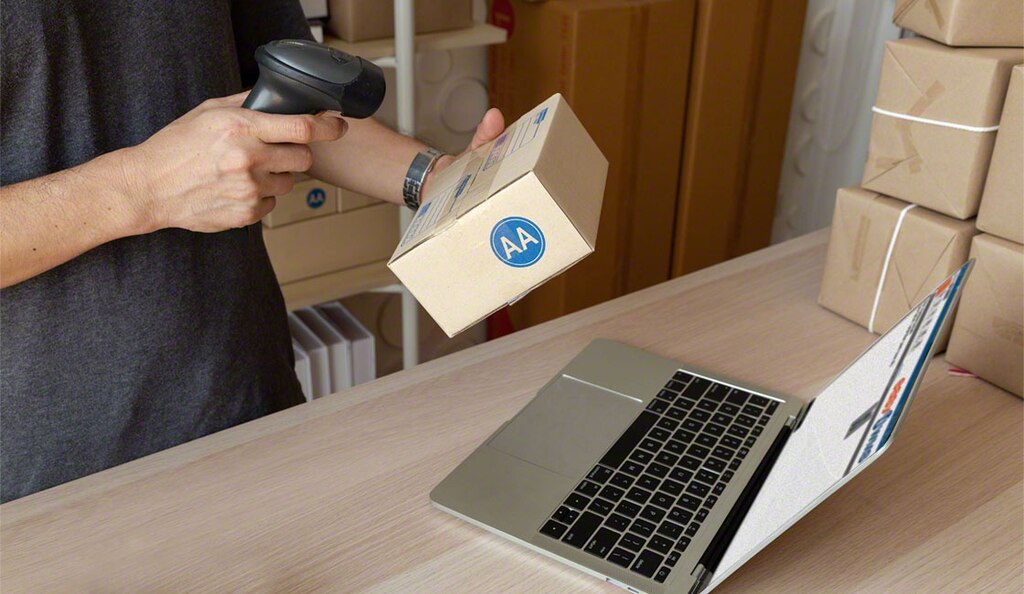
In the warehouse, orders destined for collection points are processed and consolidated alongside other shipments, following standard workflows designed to streamline time and resource use. A warehouse management system (WMS) organises picking, groups orders by destination and coordinates shipping with the distribution network.
One defining feature of this model is flexibility in allocating collection points. These locations may be selected during various phases of the logistics process — picking, consolidation or even while the order is in transit — depending on network availability or customer changes. When destinations are modified, the system updates order data and generates a new shipping label without disrupting operations.
Once delivered, the package is registered at the collection point and made available for pickup. The customer receives a notification with the collection window. For the business, this model concentrates deliveries, reduces last-mile issues and improves transport efficiency and tracking.
Implementing a collection point service
Deploying a collection point service requires close coordination between information systems — ERP, WMS, TMS and ecommerce platforms — along with warehouses and distribution partners. At the logistics level, a WMS plays a central role by supporting omnichannel orders, ensuring shipment traceability and coordinating picking and dispatch.
WMS solutions such as Mecalux’s Easy WMS centralise these processes through dedicated modules. Multi-Carrier Shipping Software, for instance, facilitates integration with transport networks and delivery platforms. These integrations enable organisations to exchange destination data, service levels and lead times while coordinating the labelling and shipping of orders destined for pick-up locations. Meanwhile, connecting with systems like Easy DOM allows companies to define logistics rules by destination within a cohesive omnichannel framework. For example, they can prioritise certain collection points, consolidate orders with the same destination and apply different conditions by customer type.
Operationally, collection points must be correctly registered in the system with accurate details on hours, capacity and handling rules. For partner stores, onboarding is typically straightforward and limited to basic requirements related to space, accessibility and customer service.
Collection points: A pillar of omnichannel logistics
Collection points have become a fundamental part of last-mile logistics, particularly as ecommerce and urban distribution continue to grow. Their integration into logistics networks and omnichannel models reflects a shift in how final delivery is conceived, aligning with modern consumption patterns. For companies and logistics providers, this model represents a step towards more adaptable, sustainable and customer-oriented supply chains.