

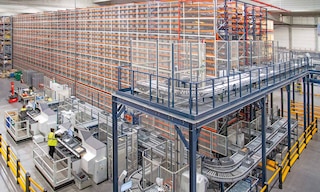
Lean supply chain: key for logistics efficiency
10 Oct 2023A lean supply chain is a business management strategy that enables companies to improve their logistics processes, bring down costs and offer their customers top-quality service.



Explore the Mecalux blog and learn more about the latest methods for warehouse space optimisation, how to improve inventory management, automated material handling equipment & software.
A lean supply chain is a business management strategy that enables companies to improve their logistics processes, bring down costs and offer their customers top-quality service.

The post details the operation of sodium batteries, compares their benefits with lithium-ion batteries and analyses their potential impact on key industries like logistics.
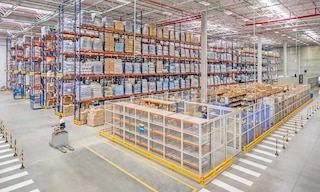
Cross-contamination of food consists of the transmission of pathogens from one product to another. Companies make efforts to avoid this by managing their goods rationally.
In an increasingly competitive market, companies need to implement an effective differentiation strategy to help them stand out from the rest.

Inventory models and stock management techniques boost supply chain efficiency, reduce costs, improve control and facilitate informed decision-making.

Emotional robots are not only capable of performing physical tasks efficiently, but they can also interpret and respond to human emotions.

A data-driven company relies on data analysis and digitalisation to facilitate the strategic decision-making that drives efficiency in manufacturing and logistics processes.

Small data in logistics offers a large number of benefits and applications that contribute to improving efficiency, service quality and end customer satisfaction.