



35 warehouse best practices to improve efficiency, safety and productivity
Warehouse best practices help increase efficiency, safety and productivity. They’re much easier to follow when you have a checklist to review major processes and spot new opportunities. From organising storage space to managing day-to-day workflows, a structured approach helps standardise tasks, minimise errors and streamline warehouse performance.
In this guide, we’ve compiled 35 warehouse best practices, divided into operational areas. You’ll learn practical recommendations for warehouse layout design, inventory control, receiving, warehouse management system (WMS) implementation, automation and more. These recommendations apply to most industries. However, businesses operating in highly regulated sectors — such as pharma — should also comply with applicable regulations and good warehouse practices in the pharmaceutical industry.
Best practices for warehouse layout design
The warehouse layout determines how each functional area is organised. It directly influences material flow, travel distances and overall productivity. The recommendations below reflect best practices for optimising a facility’s layout.
1. Design a logical layout
Arrange the various warehouse areas — receiving, storage, order picking and dispatch — to support a continuous flow of goods from inbound through outbound. A well-planned layout eliminates unnecessary travel, streamlines material handling and helps teams accomplish more with the same resources.
2. Optimise storage space
One of the most effective warehousing practices is making full use of both the facility footprint and vertical space. Choose the racking system that best suits your operation, including high-density storage systems where appropriate. In addition, size aisles according to the material handling equipment used. Bins and totes can also help organise smaller items, making better use of available storage space.
3. Separate inbound and outbound operations
Whenever possible, keep receiving and dispatch activities in dedicated areas to prevent interference between inbound and outbound flows. This separation eases congestion around loading docks, accelerates traffic flow for lift trucks and personnel and enhances both safety and productivity.
4. Implement clear warehouse labelling
Applying warehouse labelling best practices means clearly identifying storage locations, racking and zones with a standardised system. Consistent labels help operators find merchandise faster, streamlining picking, dispatch and maintaining product traceability throughout the supply chain. They should also include essential information such as the item code, weight, dimensions or shipping destination.
5. Design for future growth
Your warehouse layout should be flexible enough to accommodate new SKUs, changes in demand and future automation projects. Planning for scalability from the beginning will make it easier to expand your facility, reorganise work areas and introduce new technologies. Plus, you’ll avoid costly upgrades and disruptions to daily operations.
Warehouse management & operations best practices
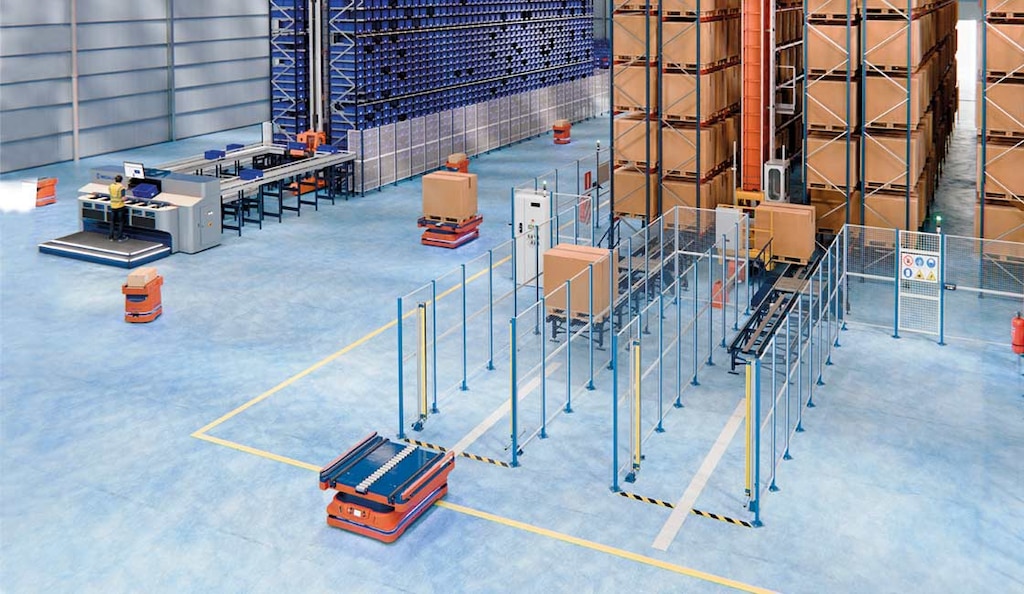
Daily warehouse management directly affects productivity, service quality and your ability to respond to demand. The following warehouse management best practices can help you run your facility more effectively.
6. Define meaningful warehouse KPIs
Warehouse KPIs measure operational efficiency and highlight opportunities for improvement. Track metrics such as picking accuracy, inventory turnover, cycle service level and cost per order to facilitate data-driven decisions and strengthen overall logistics performance.
7. Standardise warehouse procedures and practices
Document standard operating procedures (SOPs) for receiving, putaway, replenishment, picking, packing and dispatch so that tasks are performed systematically, regardless of who carries them out. Standardised processes streamline workflows and help maintain a consistent level of service.
8. Train employees continuously
Ongoing training helps staff work more safely and efficiently, adapt to new technologies and follow updated procedures. Regularly refresh employees’ knowledge and familiarise them with new company tools and systems.
9. Improve labour management and workforce planning
Reducing unnecessary travel, balancing workloads and leveraging software solutions can boost productivity without compromising quality. Planning staffing levels based on demand also helps allocate resources more strategically. Tools such as Easy WMS’s Labor Management System (LMS) measure workforce performance and uncover opportunities.
10. Foster a culture of continuous improvement
Fine-tuning a warehouse should be viewed as an ongoing initiative rather than a one-time project. Methodologies such as kaizen and lean encourage teams to review processes regularly, eliminate activities that don’t add value and standardise warehouse best practices. Involving employees in spotting opportunities for improvement also helps companies respond more effectively to changing business needs.
Warehouse receiving best practices
Goods receipt is one of the most critical warehouse processes. It marks the start of the logistics flow and influences every subsequent operation. The following best practices for warehouse receiving can help increase accuracy, speed and inventory control.
11. Standardise receiving procedures
Establish clear goods receipt procedures so that every inbound shipment is handled consistently and with fewer discrepancies. Define standardised protocols for unloading, inspection, documentation and putaway to reduce errors and optimise workflow. A WMS supports this process by centralising information and digitalising processes.
12. Verify incoming shipments thoroughly
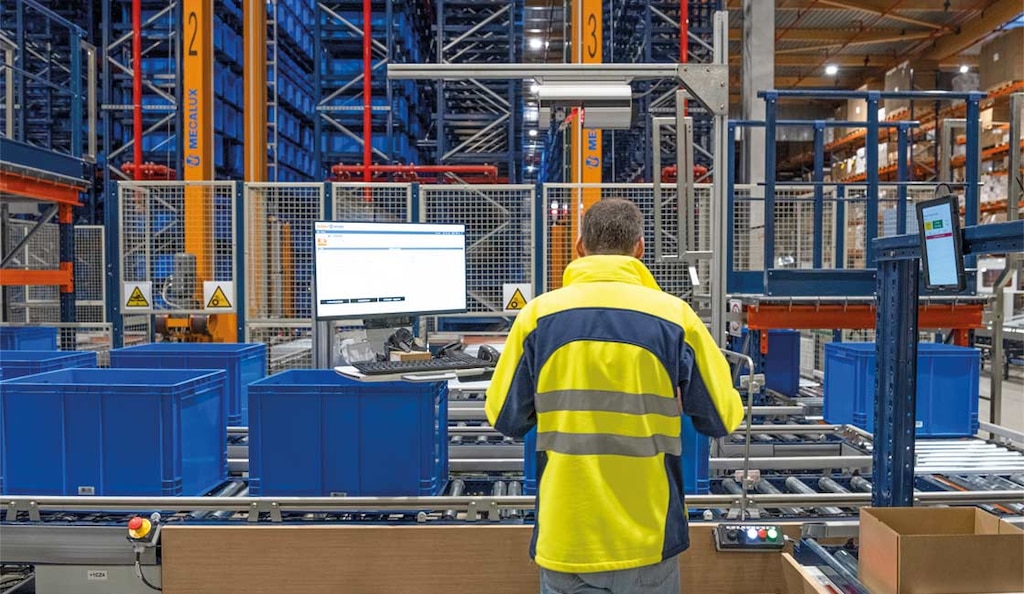
Inspect every shipment as soon as it arrives to detect issues before goods become part of the inventory. Confirm that quantities, SKUs and product condition match the purchase order and dispatch documentation. This practice minimises errors and avoids inventory discrepancies.
13. Use barcode scanning and real-time traceability
Identify merchandise using barcodes, QR codes or RFID tags to record every movement from the moment goods are received. Automated data capture enables real-time traceability, enhances product visibility and minimises manual entry errors. When integrated with a WMS, this information also provides an up-to-date view of inventory at all times.
14. Reduce dock-to-stock time
Dock to stock measures the interval between receiving goods at the dock and placing them in their assigned storage locations. Shortening this process makes products available for fulfilment sooner. Consider automating receiving validation, inventory updates and putaway through a WMS. Cross-docking may also be a practical option for suitable products and workflows.
15. Optimise dock, yard and putaway operations
Coordinating loading docks, the yard and putaway activities helps reduce delays throughout the receiving process. A Yard Management System (YMS) organises vehicle scheduling and dock assignments, while an effective putaway strategy moves products into storage quickly and keeps work flowing smoothly. Also establish a well-defined returns process to handle these inbound goods efficiently.
Warehouse picking best practices
Streamlined order processing lowers costs, minimises errors and speeds up dispatch. A WMS plays a key role throughout this process by coordinating tasks, reducing travel time and guiding operators in real time. The following best practices can help strengthen performance across every stage of fulfilment.
16. Choose the right picking strategy
There’s no single picking method that works for every warehouse. The best approach depends on factors such as order volume, the number of SKUs and operating requirements. Methods including batch picking, wave picking, zone picking, cluster picking, pick-and-pass and parallel picking can help balance workloads.
17. Reduce picker travel time
Minimising travel is a surefire way to increase productivity. Group fast-moving SKUs together, design efficient pick paths and position the most frequently requested items in the golden zone — between mid-thigh/waist and shoulder height — to shorten picking times.
18. Improve picking accuracy
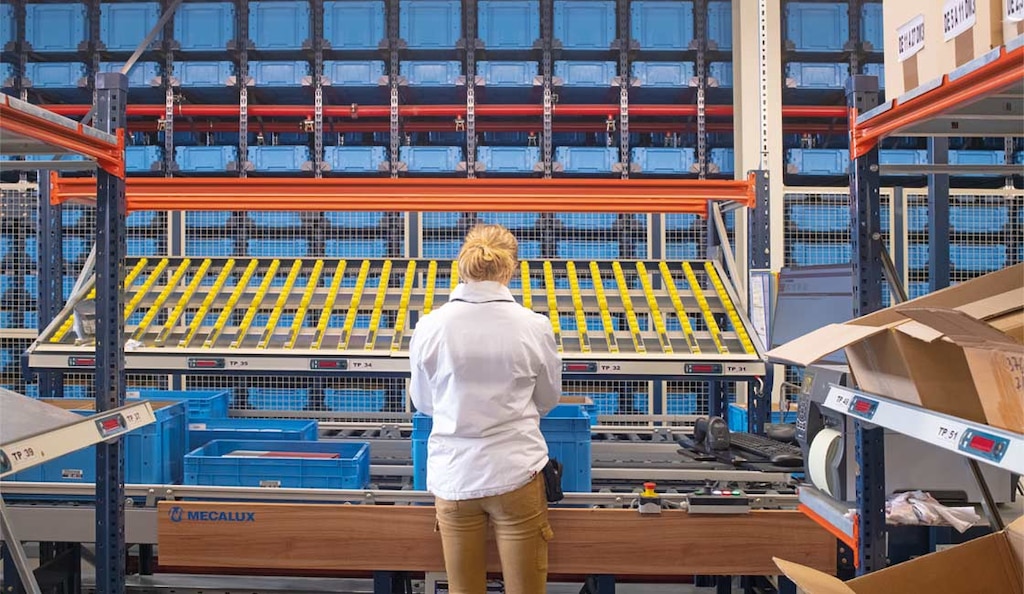
Warehouse picking practices that incorporate barcode scanning, automated verification and operator-assistance technologies such as RFID devices, pick-to-light and pick-by-voice help minimise errors during this stage. Greater accuracy raises service levels, increases customer satisfaction and reduces returns.
19. Continuously optimise picking performance
Track KPIs such as productivity, the number of product touches, picking times and error rates to identify ways to enhance every stage of the fulfilment process. Regularly monitoring these KPIs helps promote initiatives that strengthen customer service.
Warehouse inventory management best practices
Tight inventory control ensures that the right products are available in the right quantities when needed. The best practices below can support these efforts.
20. Maintain real-time inventory visibility
One of the key warehouse inventory best practices is keeping up-to-date information on the location, quantity and status of every SKU. Real-time visibility facilitates decision-making, helping prevent stockouts and overstock. A WMS centralises these data and keeps stock records current, promoting traceability.
21. Classify inventory using ABC analysis
The ABC analysis for inventory classification categorises SKUs according to their value or operational importance. Combined with ABC XYZ analysis, which also considers demand variability, it lets businesses allocate resources more strategically and fine-tune planning.
22. Apply FIFO, FEFO or LIFO when appropriate
Choosing the right stock rotation method is crucial. The most widely used approach is the FIFO (first in, first out) method, which prioritises dispatching the oldest inventory. FEFO (first expired, first out) ensures that products with the nearest expiry dates are used or shipped first. Meanwhile, LIFO (last in, first out) is appropriate only for specific nonperishable goods when storage conditions make retrieving the most recently stored items more practical. Also establish reorder points where appropriate to maintain product availability.
23. Optimise warehouse slotting
Following warehouse slotting best practices means assigning each SKU to the most suitable storage location based on demand, size, weight and replenishment frequency. The Slotting for WMS module automates this process through intelligent putaway rules, making better use of storage space and reducing travel time.
24. Perform regular cycle counting and inventory consolidation
Cycle counting verifies inventory accuracy without interrupting warehouse operations. This approach helps pinpoint discrepancies between physical stock and system records while providing reliable data for planning, replenishment and order fulfilment. Inventory consolidation can also maximise space utilisation and simplify stock management where appropriate.
Warehouse management system (WMS) best practices
Fully leveraging a warehouse management system (WMS) calls for careful planning, well-defined processes, high-quality data and a solution that fits your operation. The following warehouse management system best practices will help you get the most value from your software.
25. Choose the right WMS for your warehouse
Select a scalable WMS that matches the complexity of your operation. Before making your decision, evaluate factors such as order volume, SKU count, the level of automation in your facility and future growth plans. In addition to meeting your current requirements, the solution should integrate with other business applications, provide real-time visibility and adapt easily to new processes and technologies. Choosing a platform such as Mecalux’s Easy WMS, which delivers these capabilities from the outset, supports digital transformation and helps prevent future limitations.
26. Build a reliable data foundation
Accurate, reliable information is vital for a WMS to perform effectively. Before implementation, review and cleanse your master data, including SKUs, storage locations, dimensions, logistics units and user information. High-quality data strengthen inventory control, minimise errors and facilitate better decision-making.
27. Standardise and integrate warehouse workflows
Digitalise and standardise processes from receiving through dispatch. Integrating the WMS with your ERP, automated material handling equipment and automatic data capture technologies eliminates duplicate data entry, replaces paper-based processes and enables a seamless flow of information across the operation.
28. Continuously optimise WMS performance
Leverage dashboards, analytics and KPIs to evaluate warehouse performance and user adoption. Regularly reviewing these insights helps refine your WMS configuration as business needs evolve, allowing you to increase performance without major changes.
Warehouse automation best practices
Automation enhances accuracy and helps companies keep pace with growth. The following best practices can help you successfully automate your warehouse.
29. Identify the right warehouse processes to automate
Before launching an automation project, analyse your warehouse to highlight repetitive, labour-intensive or error-prone processes. This assessment helps prioritise investments and maximise return on automation.
30. Select automation that matches your operational requirements
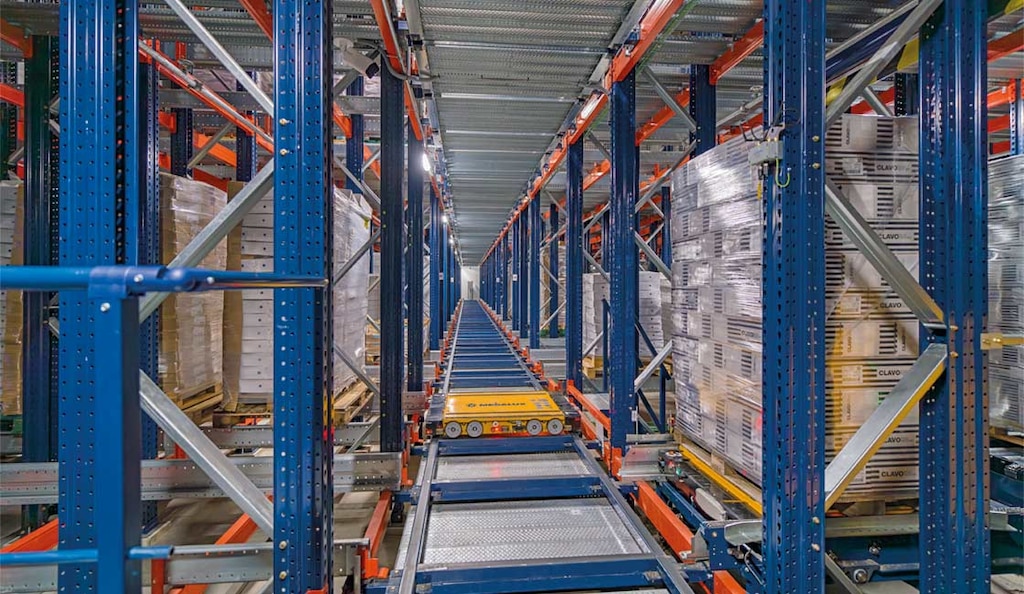
Automated storage and retrieval systems (AS/RS), shuttle systems, conveyors, sorters, autonomous mobile robots (AMRs) and the 3D Automated Pallet Shuttle are designed to address different operational needs. Investing in the right technology hinges on factors such as available space, product characteristics, throughput requirements and business objectives. Mecalux specialists can help you assess these requirements and recommend the solution that best fits your operation.
31. Implement warehouse automation in phases
Automation can be introduced gradually, based on your company’s needs and growth plans. Start with the areas that offer the greatest potential for improvement. This will achieve fast results while making it easier to incorporate additional technologies as requirements evolve.
32. Integrate warehouse automation with your WMS and systems
Automation delivers the greatest value when every solution in your facility works together. Integrating automated equipment with your WMS and other business applications enables real-time data sharing and provides a unified view of operations. Solutions such as Mecalux’s warehouse execution system (WES) and warehouse control system (WCS) coordinate workflows and manage automated equipment as a single ecosystem.
Warehouse safety best practices
Safety and risk prevention should be an integral part of every logistics facility’s day-to-day operations. Maintaining racking and material handling equipment in good condition while promoting safe work practices mitigates the risk of accidents and protects employees.
33. Conduct regular warehouse safety inspections
Inspect racking, material handling equipment and work areas routinely to detect damage and potential hazards before they lead to accidents. In addition to systematic visual checks, qualified professionals should perform periodic racking inspections to verify that your storage systems continue to operate safely.
34. Improve warehouse ergonomics
Design workstations to ease physical strain and repetitive movements, helping prevent injuries while boosting productivity. Ergonomic solutions and automated technologies, such as Mecalux’s high-performance pick stations, bring products to operators, reducing travel and creating a safer, more comfortable workplace.
35. Build a strong warehouse safety culture
Develop safe operating procedures, provide ongoing operator training, certify equipment operators and promote compliance with workplace safety standards to minimise warehouse risks. Encouraging everyone to participate in ongoing safety improvements creates a safer workplace and supports long-term operational excellence.
The key to a modern warehouse
Following these warehouse best practices optimises operations and enables businesses to respond more effectively to supply chain demands. While every facility has unique requirements, a modern, competitive warehouse combines an optimal layout, standardised processes, rigorous inventory control, a robust WMS, automation and a commitment to continuous improvement. Regularly reviewing workflows, tracking performance and refining processes will help maintain operational excellence, limit costs and deliver top-notch customer service.